
Start with the house. Then choose the insulation.
TCTS specializes in spray foam and blown-in insulation, plus the attic prep, removal and related work that helps each system perform the way it should.
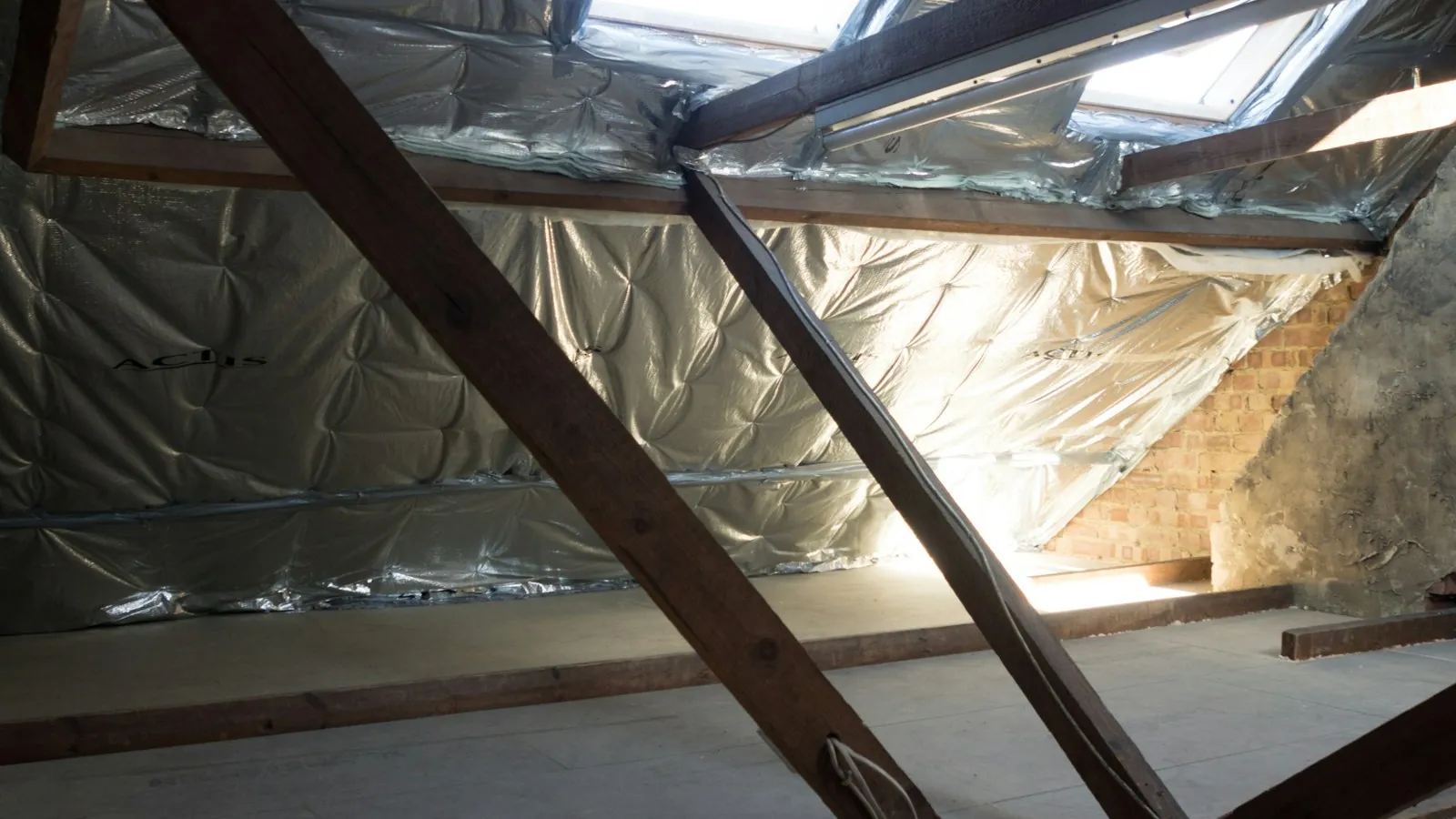
Spray foam specialists
Spray Foam Insulation
Spray foam can help control both heat and air leakage when the attic, roof and HVAC setup make it the right fit for the home.
Explore spray foam →For vented attics
Blown-In Insulation
When a vented attic is dry and the main problem is thin or uneven coverage, blown-in insulation can be a straightforward way to improve it.
Explore blown-in →Choosing between them
Spray foam and blown-in solve different problems.
They are often presented as two grades of the same product, cheaper and dearer. They are not. They put the insulation in different places, and that choice changes how the attic behaves for the rest of the building’s life.
Blown-in works at the ceiling
Loose material is blown across the attic floor, so the thermal boundary sits directly above the rooms and the attic itself stays vented and hot. That is the conventional Florida attic, and for a great many houses it is the correct one.
It tends to fit when the attic is dry, the existing material is sound and the real problem is that coverage is thin, uneven or has been disturbed by other trades. It is the less disruptive of the two and it does not change the roof assembly.
Its limit is that it does very little about air moving through the ceiling plane, and nothing at all for ducts or an air handler sitting in attic heat. Insulation over the top of a leaking ceiling still leaks.
Spray foam works at the roof
Foam is applied to the underside of the roof deck, which moves the thermal and air boundary up to the roofline and brings the attic inside the conditioned envelope. The attic stops being a hot vented space and becomes part of the house.
That matters most when the attic contains ducts or an air handler, because equipment that used to run through an attic well over ambient temperature is now running through a space close to indoor conditions. It also addresses air leakage and heat transfer at the same surface.
It is a bigger decision. Converting a vented attic to an unvented one changes how the roof dries, so roof condition, ventilation strategy and humidity all have to be settled first rather than discovered afterwards.
The honest answer for most homes is that the symptom decides, not the product. A hot back bedroom in a house with a dry, vented attic and no ducts above it is usually a coverage problem. The same hot bedroom in a house with supply runs crossing the attic is usually not.
Before anything is quoted
What the attic visit is actually for.
An insulation quote written from the driveway is a guess. The point of the visit is to find out which of several possible causes is making the house uncomfortable, because they need different work and they cost different amounts.
01
Coverage and its history
Depth across the whole attic, not one reading at the hatch. Compressed areas and sections disturbed by earlier electrical, plumbing or roofing work are common, and rarely where the hatch is.
02
Air leakage at the ceiling
Top plates, wiring and plumbing penetrations, chases, recessed fittings and the hatch itself. Air moving through the ceiling carries heat and humidity that added depth alone will not stop.
03
What the HVAC is doing
Duct routes, connections at the boot, return paths and whether the air handler sits in the attic. This is often the difference between a blown-in scope and a spray-foam one.
04
Moisture and roof condition
Staining, damp material, daylight at the deck and any unresolved roof work. Insulation should never be installed over a problem it will then hide from view.
Sometimes the finding is that the attic is not the weak link at all, and the money belongs with an HVAC diagnosis instead. That is a useful result, and it is cheaper to learn before the work than after it.
Other insulation services
Attic prep, removal and more.
Attic Insulation
We check insulation depth, thin spots and accessible air leaks, then connect what we find in the attic to the rooms that are hard to cool.
Learn more →Insulation Removal
Removal can make sense when existing insulation is wet, contaminated, badly disturbed or blocking access to areas that need to be repaired first.
Learn more →Wall Insulation
The best wall-insulation method depends on whether the wall is open or finished, how much access is available and how the wall handles moisture.
Learn more →Crawl Space Insulation
Crawl-space insulation works best when drainage, ground moisture, air movement and the floor above are considered together.
Learn more →Commercial Insulation
Commercial insulation should match the building's use, operating hours, mechanical systems, access and the roof or wall being insulated.
Learn more →Start with the symptom
Hot room? Thin attic? Not sure?
That is enough information to start. We will narrow down the product after we understand the house.